Ganglion Cysts
Ganglion Cysts Information Sheet
What is a Ganglion Cyst?
A ganglion cyst is a non-cancerous lump that most commonly develops around the joints or tendons. It is filled with a thick, jelly-like fluid (similar to the fluid that cushions and lubricates your joints).
These cysts can vary in size. Some are as small as a pea, while others can grow to be a few centimetres across. They often feel smooth, firm, and rubbery to the touch, and their size may change with activity—sometimes increasing when the joint is used more and decreasing when it’s rested. They usually have a stalk that communicates with the joint or tendon, so as the joint or tendon produces more fluid, the ganglion will increase in size. Arthritic joints sometimes produce more fluid due to inflammation, so it can be difficult to eradicate a ganglion without also treating the arthritis in the joint.
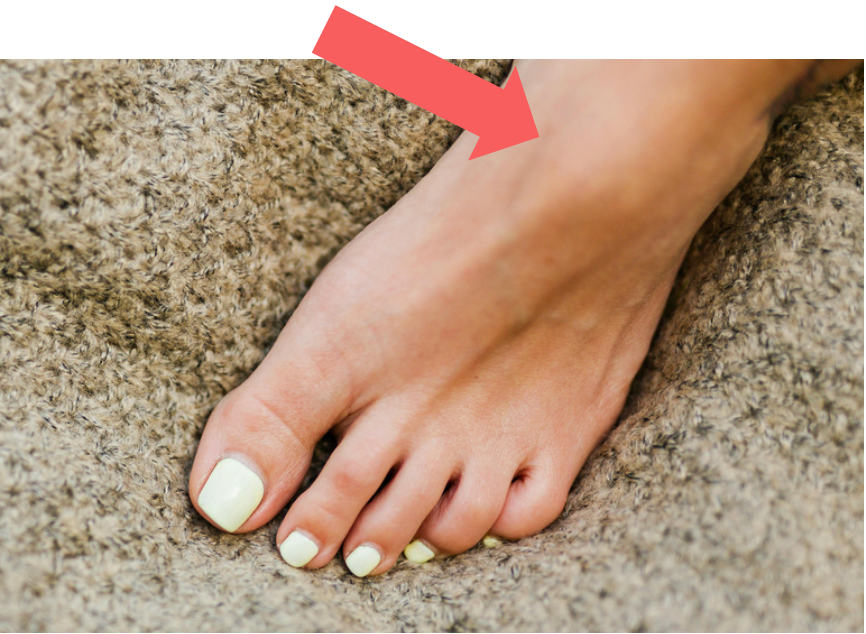
Impact of Ganglion Cyst on Anatomy and Health
While a ganglion cyst does not damage the structure of your joint or bone, it can still affect your anatomy and comfort. The cyst develops from the joint capsule or tendon sheath — parts that naturally produce lubricating fluid. When this fluid leaks or accumulates, it forms a small sac, resulting in a visible lump.
Depending on its size and location, a ganglion cyst may:
- Compress nearby nerves: This can cause pain, numbness, or tingling in the fingers or hand.
- Restrict joint movement: Larger cysts may limit flexibility or create stiffness in the affected area.
- Cause mild aching or discomfort: Especially when performing repetitive motions or putting pressure on the joint.
- Alter appearance: Some patients notice a visible bump that may cause cosmetic concern or self-consciousness.
In most cases, ganglion cysts do not pose serious health risks. However, if the cyst presses on nerves or interferes with movement, it can significantly affect function.
Risk Factors for Ganglion Cysts
Ganglion cysts can affect anyone, but certain groups are more prone to developing them:
- Osteoarthritis: Arthritis can cause small tears or changes in the joint capsule, increasing the likelihood of cyst formation. Because inflammation from arthritis produces more fluid, cysts can increase and decrease in size.
- Children and adolescents: Ganglion cysts can also appear in younger patients
Causes of Ganglion Cysts
The exact cause of ganglion cysts is not fully understood, but several theories exist:
- Joint or tendon irritation: Repetitive strain or injury may cause the joint capsule to bulge outward, creating a small sac that fills with fluid.
- Degeneration of connective tissue: Over time, small tears in the joint capsule or tendon sheath can lead to a one-way valve effect where joint fluid escapes into surrounding tissue but cannot flow back, forming a cyst.
- Fluid buildup from joint stress: Overuse or arthritis of certain joints can increase internal pressure and cause a cyst to develop.
Symptoms of Ganglion Cysts
Ganglion cysts may cause few or no symptoms, depending on their size and position. Common signs and symptoms include:
- A visible lump: The cyst often appears as a smooth, round bump under the skin, varying from pea-sized to several centimetres.
- Pain or aching: Especially when the cyst presses on a nerve or joint. The pain may worsen with movement.
- Tingling or numbness: Nerve compression can cause pins-and-needles sensations or reduced sensation.
- Weakness or stiffness: Larger cysts can interfere with joint motion, causing pain with mobility.
- Fluctuating size: The lump may grow or shrink depending on activity levels or rest.
Ganglion cysts are usually soft to firm when touched and can move slightly under the skin. They are not typically red, warm, or tender unless inflamed or irritated. If a cyst suddenly becomes painful, infected, or immobile, medical review is necessary to rule out other conditions.
Prevention of Ganglion Cysts
There is no guaranteed way to prevent ganglion cysts, as their exact cause remains unclear. However, some strategies can reduce risk or recurrence:
- Treat underlying joint issues: Managing arthritis or tendon irritation early may help prevent cyst formation and/or recurrence
- Avoid self-puncturing: Attempting to burst or drain a cyst at home can cause infection or injury and is strongly discouraged.
Diagnosis of Ganglion Cysts
Diagnosis of a ganglion cyst is usually straightforward and begins with a clinical examination. Additional tests are usually ordered to confirm the diagnosis, assess where it is arising from, and assess other potential causes of pain or problems in foot/ankle.
- X-ray: Occasionally used to detect underlying arthritis or bone changes
- Ultrasound: Helps confirm that the lump is fluid-filled and identifies its connection to a joint or tendon.
- MRI scan: Used in complex or deep-seated cysts, especially in the foot or ankle, to view soft tissues and rule out other conditions.
- Ultrasound-guided aspiration: Drawing fluid from the cyst with a needle can confirm the diagnosis and temporarily relieve pressure. There is about a 50% recurrence rate.
These tests ensure that the lump is indeed a benign ganglion cyst and not another type of soft tissue growth or tumour.
Treatment of Ganglion Cysts
Treatment depends on the cyst’s size, symptoms, and functional impact. Many ganglion cysts are harmless and may not require medical intervention.
- Observation (“Watch and wait”): If the cyst is painless and does not cause problems, it may simply be monitored. Some cysts disappear on their own without treatment.
- Ultrasound-guided aspiration (drainage) and injection with a steroid: The fluid inside the cyst can be drawn out with a needle under ultrasound. The area is then compressed with a bandage. This is a quick, minimally invasive procedure, but cysts may recur in up to half of cases since the sac lining remains, and the stalk to the joint or tendon is not removed.
- Surgical removal: Surgery is recommended when cysts are painful, restrict joint use, or repeatedly recur. Dr Graff removes the cyst along with the stalk connecting it to the joint capsule or tendon sheath. Surgery offers the lowest recurrence rate but involves a short recovery period.
- Joint arthritis treatment: Ganglion cysts arising from arthritic joints have a higher chance of recurrence due to the arthritic joint continually producing fluid. Sometimes the underlying joint arthritis needs to be treated to eradicate the cyst. This is recommended if the arthritic joint is painful.
- Alternative or historical remedies: In the past, some people attempted to “burst” cysts by hitting them (i.e., with a bible), but this method is painful, can cause injury, and the ganglion often returns.
What if a Ganglion Cyst is Untreated?
Leaving a ganglion cyst untreated is generally safe in most cases, as they are benign and often painless. However, certain risks and complications can develop over time depending on the cyst’s behaviour and location:
- Persistence or enlargement: The cyst may continue to grow, becoming more noticeable or bothersome.
- Pain and stiffness: Continued joint movement can aggravate the cyst, leading to discomfort or reduced flexibility.
- Nerve compression: If the cyst presses on a nearby nerve, numbness, tingling, or weakness can occur
- Functional limitation: Walking or shoewear may become difficult.
- Skin changes: Over time, the skin above the cyst may thin or become irritated, particularly if the cyst rubs against clothing or equipment.
Many ganglion cysts cause little harm and may resolve spontaneously. But if a cyst becomes painful, interferes with movement or function, or presses on nearby structures, medical evaluation is recommended.