Ingrown Toenail
Ingrown Toenail Information Sheet
What is an Ingrown Toenail?
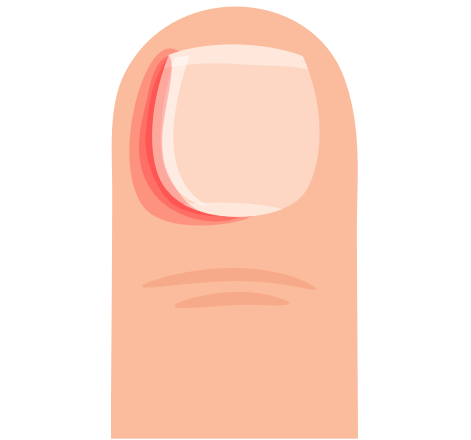
An ingrown toenail occurs when the edge or corner of a toenail grows into the surrounding skin instead of over it. This condition most often affects the big toe, but it can occur on any toe.
The medical term for this condition is
onychocryptosis. It typically develops gradually and can range from mild discomfort to severe pain, affecting daily activities. If left untreated, it may lead to infection, abscess formation, or, in people with diabetes or poor circulation, more serious complications.
Impact of Ingrown Toenail on Anatomy and Health
Your toenails serve to protect the sensitive tissue of your toes. When a nail grows incorrectly, it can press against or pierce the surrounding skin, triggering inflammation. The body responds to this injury by increasing blood flow and sending immune cells to the site, resulting in redness, swelling, and tenderness.
An untreated ingrown toenail can lead to:
- Infection: Bacteria can enter through the broken skin, causing pus, increased pain, and further swelling.
- Granulation tissue formation: The skin around the nail may become overgrown and tender as the body attempts to heal itself.
- Reduced mobility: Pain may make walking, exercising, or wearing shoes uncomfortable.
- Complications in high-risk groups: People with diabetes, peripheral vascular disease, or immune suppression may experience delayed healing or even gangrene if infections are not managed early.
Proper nail and foot care is crucial for preventing these health issues and maintaining good overall foot hygiene.
Risk Factors for Ingrown Toenail
Certain individuals are more prone to developing ingrown toenails due to genetic, lifestyle, or medical factors. Those at highest risk include:
- Genetics: Some toes are more prone to ingrown toenails due to the anatomy they were born with
- Teenagers and young adults: Rapid nail growth and increased sweating make the skin softer, allowing nails to dig in more easily.
- Athletes: Running, kicking, and sudden foot pressure can lead to repeated trauma or poor nail-cutting habits.
- People who wear tight footwear: Shoes or socks that crowd the toes increase pressure on the nails.
- Those with curved or thick nails: A natural nail shape that curves downward or thickens with age raises the likelihood of ingrown edges.
- Individuals with poor foot hygiene: Not drying feet properly or cutting nails incorrectly increases risk.
- People with diabetes or circulation problems: Reduced sensation or healing ability heightens the risk of infection and delayed recovery.
- People with previous injuries: Past trauma or surgery on the toe can alter nail growth direction.
Causes of Ingrown Toenail
Several common habits and conditions can cause or worsen an ingrown toenail:
- Incorrect nail trimming: Cutting toenails too short or rounding the edges encourages the nail to grow into the skin.
- Ill-fitting footwear: Tight shoes, high heels, or narrow toe boxes put constant pressure on the toes.
- Toe injuries: Stubbing a toe, dropping something heavy on it, or repetitive trauma can change the way a nail grows.
- Genetic factors: Some people naturally have curved or fan-shaped nails that are more prone to becoming ingrown.
- Poor foot hygiene: Excessive moisture, sweat, or fungal infection can soften the skin, making it easier for the nail to penetrate.
Symptoms of an Ingrown Toenail
Symptoms often develop gradually and can worsen if the condition is ignored. Common signs include:
- Pain or tenderness: Especially when pressure is applied to the affected toe or while wearing shoes.
- Redness and swelling: The skin around the nail edge becomes inflamed.
- Warmth around the nail: This indicates the body’s inflammatory response.
- Drainage of fluid or pus: Suggests infection or abscess formation.
- Overgrowth of skin around the nail: Known as granulation tissue, this may bleed easily.
- Difficulty walking or wearing shoes: Pain can limit movement and activity.
In mild cases, symptoms may be limited to discomfort and redness. In more severe cases, an ingrown toenail can cause intense throbbing pain and infection that spreads to the surrounding tissue.
Prevention of Ingrown Toenails
Prevention relies on good nail care habits, appropriate footwear, and attention to early symptoms. The following strategies can help:
- Trim nails properly: Cut toenails straight across, not curved or too short. The corners should just clear the skin at the edge.
- Use clean, sharp tools: Sterilise clippers or scissors before each use to prevent infection.
- Avoid tight-fitting shoes: Wear footwear with a wide toe box to give your toes room to move.
- Keep feet clean and dry: Moisture promotes soft skin and bacterial growth. Dry feet thoroughly after bathing or exercise.
- Wear protective footwear: Use shoes with reinforced toes if your job or activity poses a risk of foot injury.
- Maintain good foot hygiene: Regularly inspect your feet for early signs of irritation or redness, especially if you have diabetes.
- Moisturise sensibly: Use a non-greasy foot cream to prevent dryness and cracking, but avoid excess moisture around the nails.
- Avoid cutting cuticles deeply: This can cause infection and alter nail growth direction.
- Treat fungal infections early: Discolouration, thickened nails, or persistent foot itch should be assessed and treated promptly.
If you experience recurring ingrown toenails, it may help to see a podiatrist for regular nail care and advice. In some cases, a minor surgical procedure may be recommended to permanently remove part of the problematic nail edge and prevent regrowth.
Diagnosis of an Ingrown Toenail
Diagnosis is primarily clinical and based on physical examination. Dr Graff will inspect the affected toe, looking for signs such as redness, swelling, tenderness, drainage, or abnormal nail growth patterns.
X-rays may be performed in chronic or recurrent cases to check for bone involvement or underlying deformity.
Most diagnoses are straightforward and made during a single consultation.
Treatment of Ingrown Toenail
Treatment depends on the severity of the ingrown toenail and whether infection is present. The goal is to relieve pain, control infection, and prevent recurrence.
Conservative (Non-surgical) Treatments
These are suitable for mild to moderate cases.
- Warm saltwater soaks: Soaking the foot in warm, salty water for 10–15 minutes, several times a day, can reduce swelling and soften the skin.
- Proper nail care: Gently lifting the ingrown edge using cotton or dental floss to separate it from the skin may help the nail grow correctly.
- Antibiotic creams: Topical or oral antibiotics are prescribed if an infection is present.
- Footwear changes: Wearing open-toe or wide-fitting shoes prevents further pressure.
- Pain relief: Over-the-counter pain medication such as paracetamol or ibuprofen can ease discomfort.
- Podiatrist intervention: A podiatrist may trim or reshape the nail, clean the wound, and apply antiseptic dressings.
Surgical Treatments
These are considered for severe, recurrent, or infected cases.
- Partial Nail Avulsion (PNA): The most common procedure where the ingrown edge of the nail is removed under local anaesthetic. A chemical (phenol) may be applied to prevent regrowth of the problematic section.
- Total Nail Avulsion (TNA): The entire nail is removed if the condition affects the full width of the nail or is recurrent.
- Matrixectomy: The nail matrix (growth centre) is partially or completely destroyed to prevent regrowth.
- Wedge Resection: A surgical removal of the affected nail edge and surrounding inflamed tissue to allow normal healing.
What if an Ingrown Toenail is Untreated?
Leaving an ingrown toenail untreated can lead to several complications, particularly in individuals with chronic health conditions such as diabetes, poor circulation, or neuropathy.
- Infection: Bacteria can enter through broken skin, causing cellulitis (infection of the skin and underlying tissues) or abscess formation. This can spread if not managed promptly.
- Chronic pain and swelling: Persistent inflammation makes it difficult to walk or wear shoes comfortably.
- Granulation tissue: Overgrown and bleeding tissue may develop around the nail edge, worsening discomfort and appearance.
- Nail deformity: Long-term pressure and infection can permanently alter nail shape or thickness.
- Systemic infection: In severe cases, infection can spread to deeper tissues, tendons, or bones (osteomyelitis).
- Serious complications in diabetics: Poor wound healing can lead to ulcers, sometimes necessitating amputation in extreme cases.
Early diagnosis and appropriate care prevent most complications. Regular podiatric check-ups are especially important for people with diabetes, circulatory disorders, or a history of recurrent ingrown toenails.